A Fiji conference RFP needs four things a standard template does not: a request for capacities many resorts do not publish, a transfer section that accounts for boats as well as coaches, an AV section that asks what has to be freighted in, and tax questions that reflect the 5% Tourism Services Tax introduced on 1 September 2026. Here is the structure, in nine sections.
The purpose of a fixed structure is comparability. A free-form proposal is not a quote, and three of them cannot be put side by side.
1. The event, in one page
Organisation and contact. Event name, type and whether it recurs. Preferred dates and acceptable alternatives. Delegate numbers - confirmed, expected and maximum. Programme shape day by day. Decision date and the criteria you will decide on. Say whether you are open to multiple properties or require a single site.
2. Space and capacity
Ask per named space, not per property. Many Fiji resorts publish nothing at all, so request:
- Area in square metres and ceiling height
- Theatre, classroom, banquet, cabaret, cocktail, boardroom and U-shape capacities
- Pillars, natural light and blackout capability
- Loading access and the route from the loading point to the room
- Built-in AV and accessibility
- A floor plan
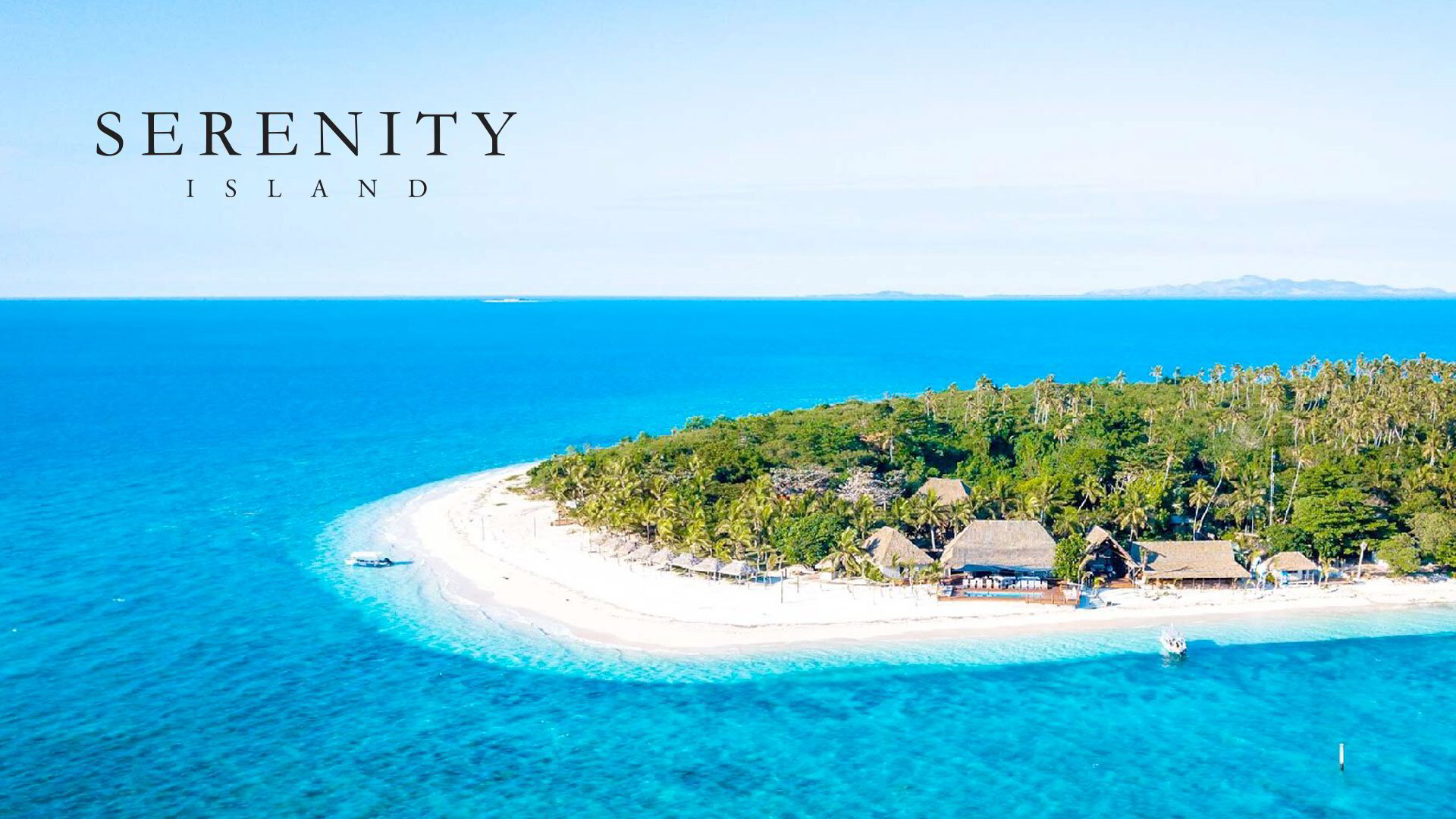
Serenity Island Resort publishes capacities per space - conference room to 50 seated or 100 cocktail, outdoor dining to 50 seated or 100 cocktail, outdoor lounge to 40 seated, pool deck to 70. That is the standard to hold every respondent to. Where a venue cannot answer, note it: a property that will not put a number in writing before contracting will not put one in writing afterwards either.
Add the question that catches people out: how many other events can be held on site on our dates, and in which spaces?
3. Accommodation
Room types and counts. Your room-night pattern, stated as a grid so every respondent prices the same thing. Rate per room type, inclusive or exclusive of tax. Release dates and attrition terms. Whether rates hold for shoulder nights either side. Group check-in arrangements for a wave arrival.
4. Food and beverage
Per-head rates for each meal period you need, and whether they are inclusive. Beverage package options and duration. Minimum spend, if any, per space and per session. Dietary handling - vegetarian, vegan, halal, gluten-free, allergies - and whether separate preparation areas exist. Outdoor dining options and their covered alternative. Corkage, if you intend to supply anything yourself.
5. Transfers
In Fiji this is a major line, not an afterthought. Require:
- Airport-to-property transfer cost, per vehicle per leg, with vehicle capacity stated
- Journey time, and what traffic conditions it assumes
- For island properties: the boat operator, the crossing time, the last daily sailing and the weather cancellation policy
- Internal transfers between accommodation and function space, if the site is spread out
- Transfers for crew and suppliers, which are routinely omitted from first quotes
6. AV and production
State the requirement plainly - screen sizes, audio coverage, lighting states, recording or streaming - then ask three questions: what is in-house, what is sub-contracted, and what must be brought into the country or freighted to the property, with lead times. Encore Event Technologies Fiji and Microhire both serve the market, and knowing whether your venue uses an external supplier changes both the cost and the risk.
If any part of the programme is hybrid, ask for a committed bandwidth figure and whether it is dedicated to the event or shared with guest Wi-Fi.
7. Wet weather and contingency
For every outdoor element: the named alternative space, its capacity, the notice the venue needs to switch, who makes the call, and who bears the cost. Require the alternative to hold the same number. An outdoor gala for 200 with a 90-person indoor backup is a failure waiting for rain.
8. Commercials and tax
This is the section that most often makes quotes incomparable, so be specific.
| Ask | Why |
|---|---|
| All rates in FJD | Avoids three currencies and three conversion dates |
| Inclusive or exclusive of VAT at 12.5% | Fiji's rate since 1 August 2025 |
| Whether the supplier is in scope of the 5% Tourism Services Tax | Commenced 1 September 2026 for businesses above a prescribed F$2 million turnover threshold |
| Service charge, and the rate | Applied by some properties, not all |
| Any other levy on the invoice | Public notices do not state plainly which earlier levies remain |
| A worked sample invoice for a representative day | The fastest way to see what the total actually is |
| Deposit schedule, cancellation and force majeure terms | Compare these, not just the headline rate |
| Payment methods, FX handling and whether a local account is required | Affects your own cost |
The tax facts above are per the Fiji Revenue and Customs Service. Note that one Fiji resort publishing guidance on the new tax states it is included in the price rather than added on top, which means two respondents can quote the same number and mean different things. The sample invoice settles it. See VAT, service charge and levies on a Fiji event invoice.
9. Response rules
Response deadline as a date, allowing for Fiji public holidays. A single question channel with a question deadline earlier than the response deadline, and answers published to all respondents. A requirement to answer in your section order. A named contact and a statement of what happens next and when.
Then compare
Put the responses into the venue comparison worksheet rather than reading them as documents. If a DMC is handling the sourcing, use how to brief a Fiji DMC and get comparable quotes alongside this, check candidates against the Fiji conference capacity chart, and work through choosing the right venue for a Fiji conference before you shortlist.