Fiji's wet season runs November to April, and the dry season May to October. The Fiji Meteorological Service uses exactly those months. The wet season is warmer, more humid and wetter, and it carries Fiji's tropical cyclone risk, which runs over the same November to April window.
What actually changes in the wet season?
Three things: rainfall, heat and cyclone risk. Fiji Met and its co-published climate material describe a warm wet season from November to April and a cooler dry season from May to October. Across Fiji the annual average temperature range is 20 to 27 degrees, with coastal night-time averages as low as 18 and daytime maximums as high as 32. In 2024 the national mean was 26.4 degrees, 0.6 above normal, with a mean maximum of 30.0.
What the published record does not give is a clean wet-versus-dry temperature split in numbers. No primary source we could reach breaks the temperature normals down by season, so anyone quoting you a precise figure for that is guessing.
| Wet season | Dry season | |
|---|---|---|
| Months | November to April | May to October |
| Character | Warmer, more humid, wetter | Cooler, drier |
| Cyclone risk | Yes — the TC season | Outside the TC season |
| Peak cyclone months | January to March | — |
How much rain are we talking about?
This is where the single most useful fact about Fiji's weather lives: the island you are on matters more than the month.
Suva, on the south-eastern side of Viti Levu, averages around 3,000 mm a year. Nadi, on the sheltered western side, averages around 1,800 mm. The mechanism is straightforward — trade winds from the east and south-east carry moisture in and drop heavy showers on mountain regions that rise to 1,300 metres, leaving the western lowlands in the lee with what Fiji Met describes as a well-defined dry season.
One month's figures show how wide that gap gets. In September 2026, Fiji Met recorded 6.6 mm of rain at Nadi Airport across 5 rain days, and 66.9 mm at Laucala Bay in Suva across 18 rain days. Same month, same country, three and a half times the rain days.
For scale on a wet year: Suva recorded 3,993 mm in 2024, the fourth highest of all Fiji reporting sites, against a national average of 3,040 mm — 129 per cent of the long-term average.
A caveat we would rather state than fudge: Fiji Met publishes month-by-month rainfall normals as per-station PDFs, but we could not machine-read the Nadi and Suva tables, so we are not printing month-by-month millimetre figures we cannot verify. The annual figures and the September comparison above are solid.
How likely is a cyclone?
The tropical cyclone season in the south-west Pacific runs November to April, with peak activity for Fiji usually January to March. Cyclones have occasionally occurred in October and May.
Fiji Met's own long-run figure: on average, around two tropical cyclones affect Fiji every season. For the 2026–27 season its outlook is two to three cyclones passing through Fiji's Exclusive Economic Zone, of which one to two are likely to reach severe Category 3 to 5 intensity — which Fiji Met describes as near normal.
That is a real risk and a manageable one. Two cyclones in a six-month season across a 1,300-kilometre spread of islands is not the same as two cyclones hitting your resort. But it is why wet-season travel deserves travel insurance bought early, and why any outdoor event in those months needs a wet-weather plan rather than optimism.
Cyclone and climate information here is a guideline only — confirm current conditions and forecasts with the Fiji Meteorological Service before travelling or committing to a date. Last reviewed 2 November 2026.
So should you avoid the wet season?
Not automatically. Choose by what you are doing:
- Avoid it if your plan depends on a single outdoor day with no indoor alternative, or on long boat transfers.
- Consider it if you want lower rates and are staying on the drier western side — the Nadi area, the Mamanucas, or the western Coral Coast.
- Think hard if you are heading for Suva or Vanua Levu in January to March, where you are combining the wettest side of the country with the peak cyclone months.
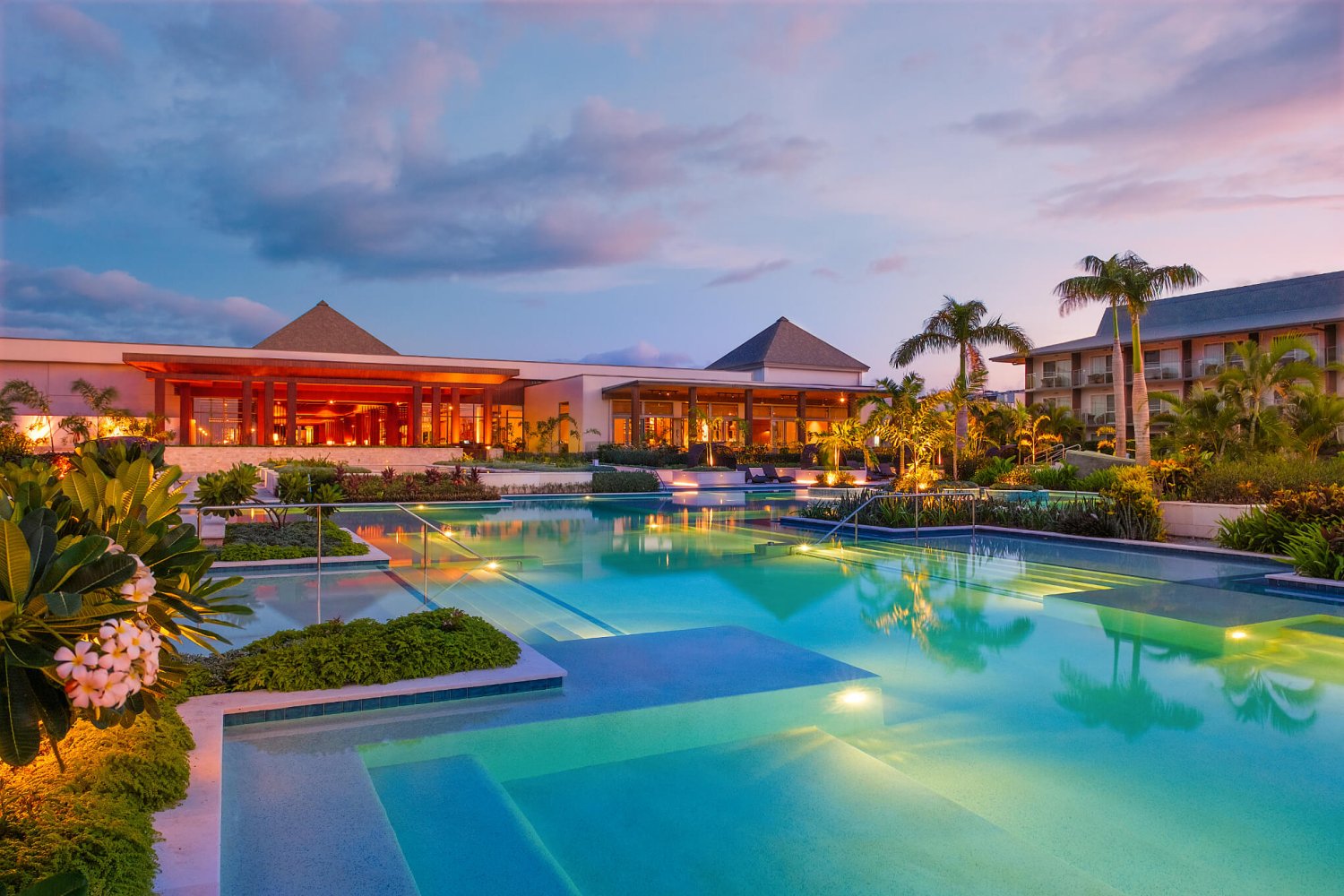
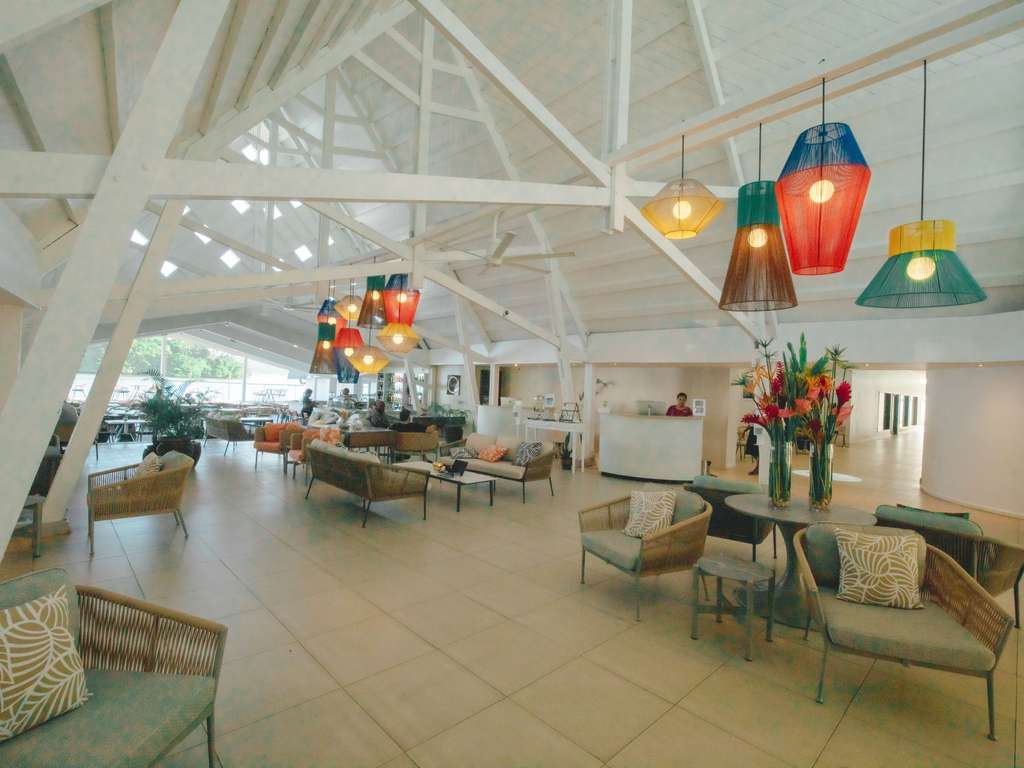
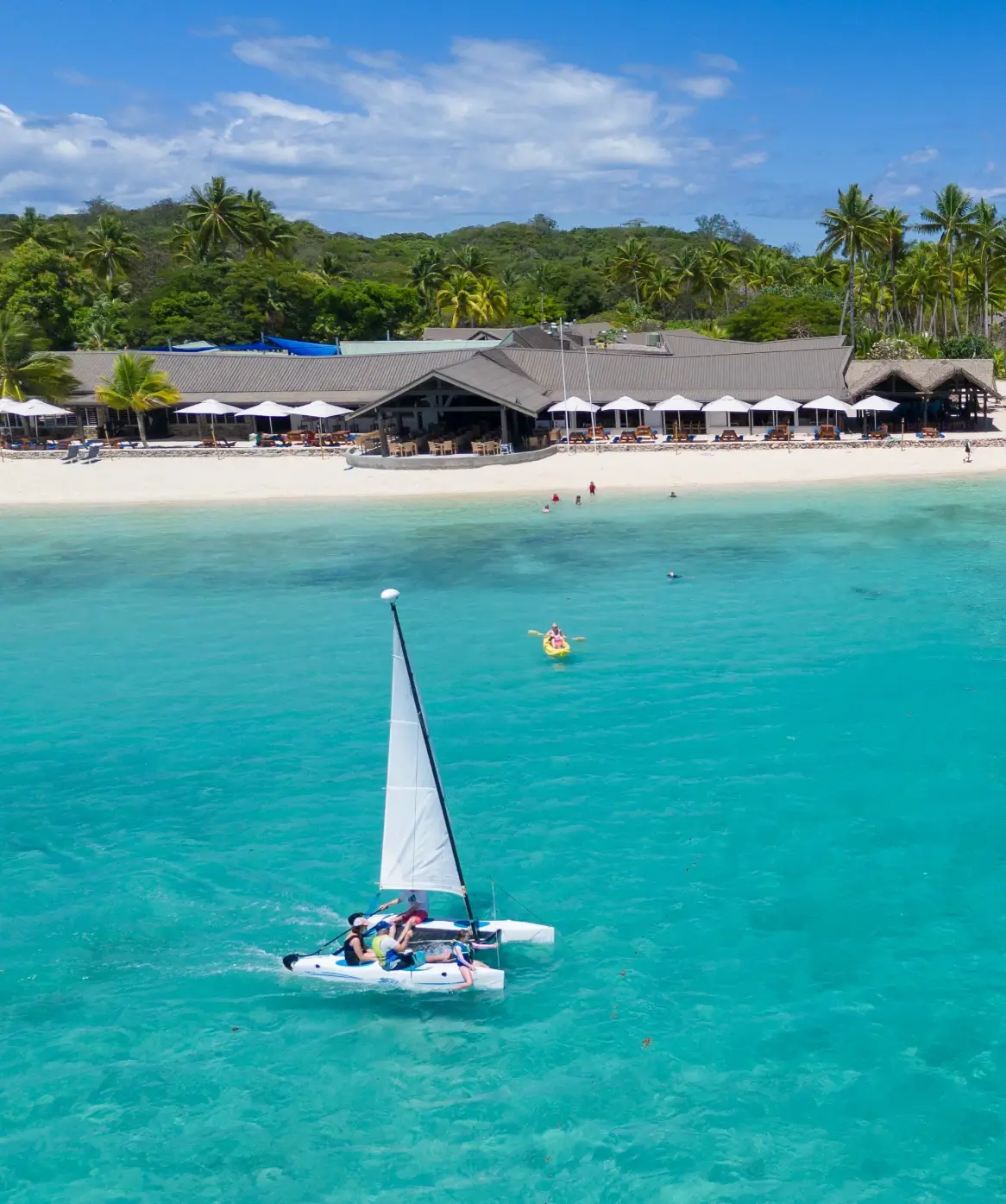
If rainfall is your deciding factor, base yourself west. Crowne Plaza Fiji Nadi Bay and Plantation Island Resort in the Mamanucas sit in the drier zone; Warwick Fiji is on the Coral Coast, between the two extremes. Grand Pacific Hotel Suva and Novotel Suva Lami Bay are excellent hotels in the wettest part of the country — which is fine for a city trip and a poor bet for a beach week.
Read next: Fiji's weather month by month for the detail, cyclone season in Fiji for what it means in practice, what is the best island in Fiji if the weather is steering your choice, and is Fiji safe for the broader picture. The full practical Fiji guide covers money, health and connectivity, and Fiji's islands and regions maps the wet and dry sides.