The Yasawas are a chain of about 20 islands running north beyond the Mamanucas, reached by one ferry each morning — Denarau Marina at 8.30am, the Blue Lagoon around 12.45pm — or a helicopter flight of up to 30 minutes from Nadi. They hold Fiji's most secluded resorts and almost none of its infrastructure. That trade is the whole story.
This guide is the practical version: what it costs in time, which island has what, and who should and should not come.
Where are the Yasawas and what are they like?
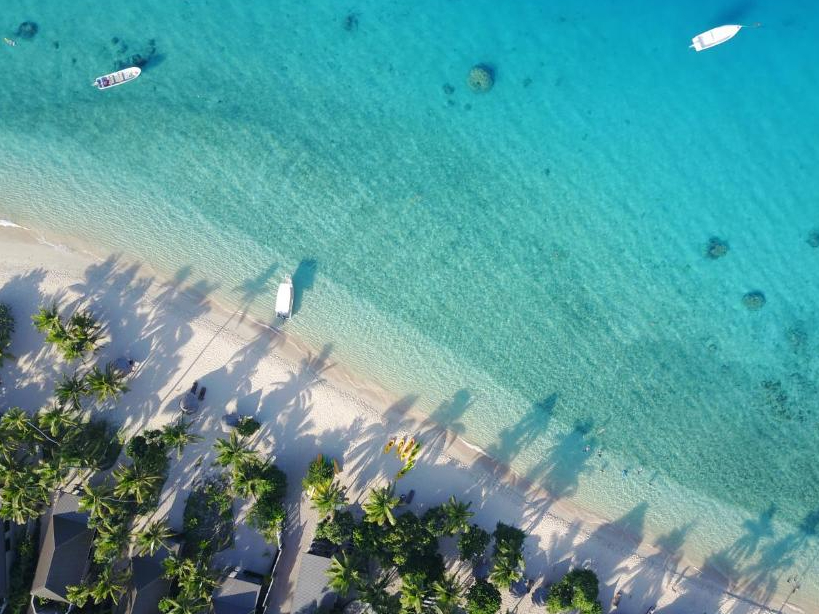
Tourism Fiji describes a strand of around 20 islands. They begin north-west of Viti Levu, past the Mamanuca chain, and run north — a line of steep volcanic islands with white beaches, fringing reef, and villages rather than towns.
What they do not have is worth stating plainly: no road network, no airport in the chain for scheduled jet service, no resort strip, no shopping, and on most islands no settlement larger than a village. Resorts generate their own power and water. Connectivity is resort-scale rather than city-scale — check it before you promise anyone a work call, and see SIM cards, eSIM and staying connected in Fiji.
What they do have is the scenery most people picture when they picture Fiji, and a density of genuinely remote resorts you cannot find anywhere else in the country.
How do you actually get there?
| Option | Operator | Time | Published surcharge | Frequency |
|---|---|---|---|---|
| Yasawa Flyer ferry | Awesome Adventures Fiji | Denarau Marina 8.30am → Blue Lagoon approx. 12.45pm (about 4 hrs door to door) | FJ$30 adult / FJ$25 child (2–15) each one-way sector | One vessel each way, daily; back at Denarau approx. 5.45pm |
| Helicopter | Island Hoppers | Up to 30 min from Nadi domestic terminal | FJ$50 per person each one-way sector; 15kg luggage limit | Per-seat departures between 9am and 3pm daily, times not guaranteed |
| Private charter boat | Various | Varies by island | Quoted | On demand |
| Multi-day cruise | Blue Lagoon Cruises | 3–7 nights typical | Quoted | Scheduled itineraries |
Two details change plans. The 15kg helicopter luggage limit is the binding constraint for weddings and anyone carrying equipment, not the fare. And the one-vessel-a-day ferry means there is no recovery from a missed connection — a late international arrival into Nadi costs you a night on the mainland, not an afternoon.
Build a Nadi night at the front of any Yasawa trip. It is cheaper than the alternative.
Which resort is on which island?
Room counts are MICE Fiji directory figures; confirm against your booking.
| Resort | Island | Rooms | Character |
|---|---|---|---|
| Turtle Island Fiji | Nanuya Levu | 14 | All-inclusive, whole-island buyouts |
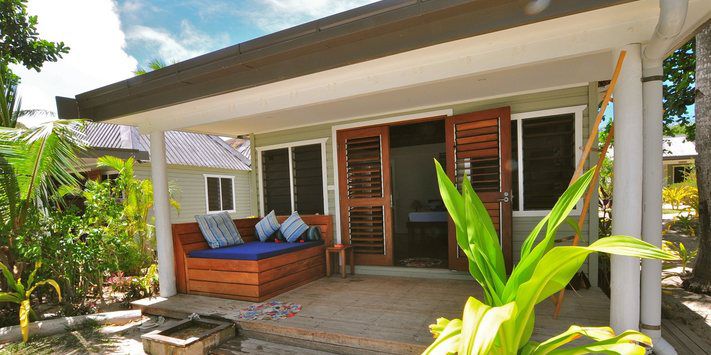
| Yasawa Island Resort | Yasawa | 18 | Luxury bures, full-resort buyouts, elopements |
| Navutu Stars Fiji | Yaqeta | 10 | Adults-only boutique, listed guest max 25 |
| Paradise Cove Resort | Naukacuvu | — | Villas, family and adult zones |
| Blue Lagoon Beach Resort | Nacula area | 34 | Mid-market, family-capable, Blue Lagoon frontage |
| Nanuya Island Resort | Nanuya Lailai | 17 | Blue Lagoon, celebrations and small events |
| Octopus Resort | Waya | 30 | Long-standing, broad price range |
| Barefoot Manta Island Resort | Drawaqa | 25 | Eco, positioned around manta-ray snorkelling |
| Barefoot Kuata Island Resort | Kuata | 25 | First stop on the Flyer route, budget to mid |
| Mantaray Island Resort | Nanuya Balavu | — | Backpacker to mid-market |
| Naqalia Lodge | Wayalailai area | 4 | Family-run, village-adjacent, buyout possible |
| Botaira, Coralview | Naviti, Wayasewa | 12, 16 | Small resorts; wedding detail not published |
If manta-ray season matters to your dates, confirm it with the resort directly rather than planning around a general assumption — the window moves.
What is there to do?
The Sawa-i-Lau caves are the chain's set piece and genuinely unusual. A limestone cave system in the northern Yasawas, entered by swimming through a narrow opening into a main chamber whose dome rises around 15 metres above the water, naturally lit from above. A second chamber of roughly 20 metres is reached through an underwater passage, which is not for everyone and should not be attempted without the guide. Access is by boat excursion from nearby resorts.
The Blue Lagoon itself, between Nanuya Lailai and the neighbouring islands, is the swimming and anchorage water most of the chain's marketing is built on.
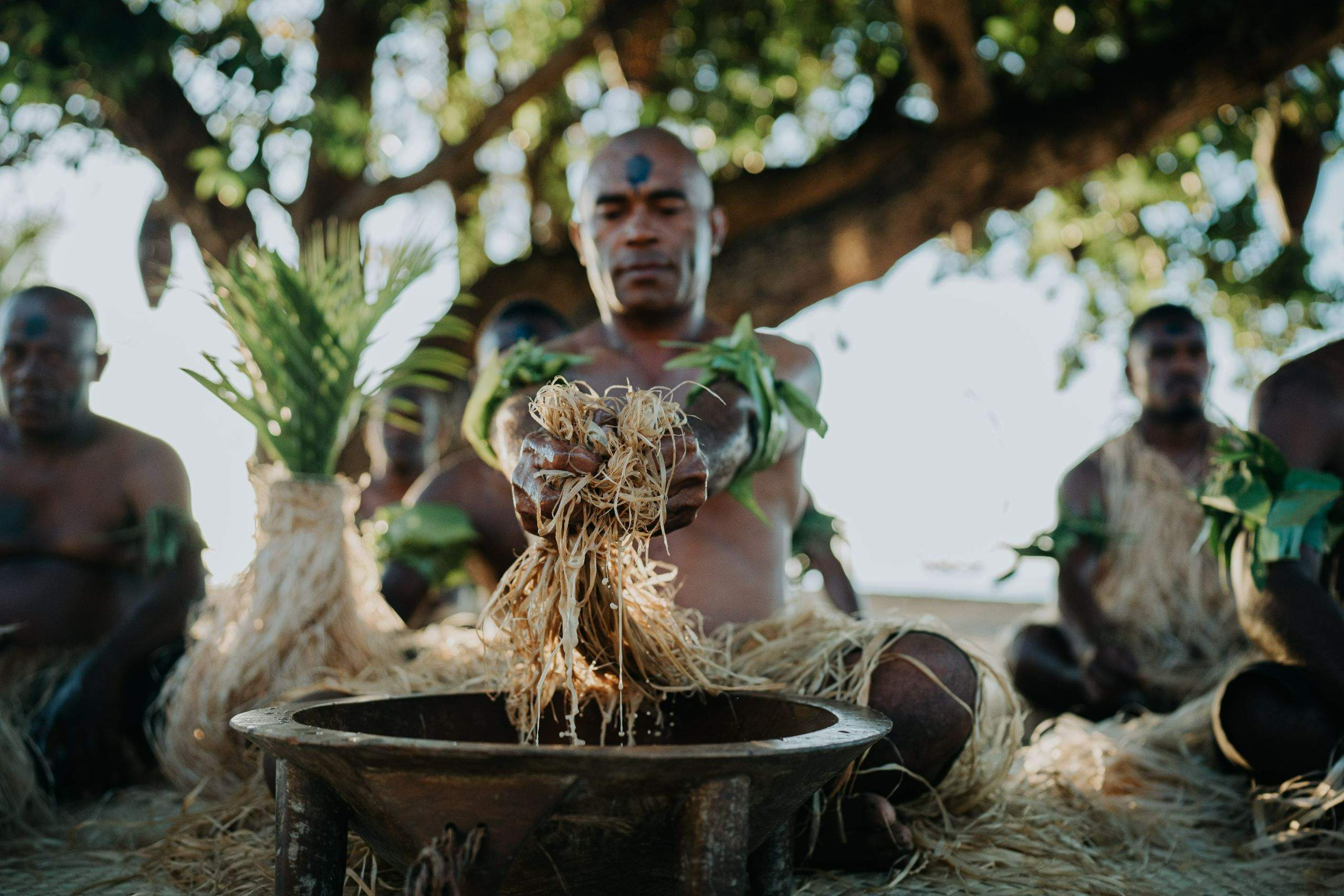
Village visits are the real cultural content, and they are the thing most worth doing properly. Much of the land here is village-owned, and a visit normally involves sevusevu — presenting kava to the headman — with modest dress, shoulders covered, and hats and sunglasses off. Your resort will arrange it, with the right person, and the money should reach the village. Do not walk into a village unaccompanied. Fijian protocol and etiquette for visitors and Kava: what it is and how to drink it properly cover the detail.
Snorkelling and diving are the daily rhythm, with reef directly off most resort beaches. Multi-day cruises are the other way to see the chain — you sleep on the vessel and the transfer problem disappears.
Who are the Yasawas right for?
Couples and small wedding parties who want seclusion and will own the travel. Yasawa Island Resort publishes ceremonies on a deserted beach and the option to reserve the entire resort; Turtle Island Fiji does whole-island buyouts; Navutu Stars is adults-only with a listed maximum of 25 guests. Build a rest day on arrival and say the four-hour boat out loud in the invitation.
Small incentive groups and leadership retreats. Ten to 25 people, a whole-resort charter, and no phones that work properly is a legitimate and memorable programme. Designing a Fiji incentive programme covers the structure.
Independent travellers island-hopping. The Flyer route with a multi-day pass is one of the Pacific's better budget itineraries, and the budget end of the chain is genuinely good.
Honeymooners who have already had the wedding. All the seclusion, none of the guest logistics.
Who should go somewhere else?
Conference organisers. There is no large plenary space in the chain, and one scheduled vessel a day makes staged arrivals, crew bump-in and contingency movement impossible. This is not a criticism of the Yasawas; it is what they are. Denarau or the Coral Coast is the right conversation — start with Fiji conference venues.
Guest lists with elderly or less-mobile people. A four-hour open-water ferry and a beach landing are real barriers. See bringing elderly or less-mobile guests to Fiji.
Anyone on a short trip. Two of your days are travel days. On a five-night holiday that is a high proportion; on ten nights it is fine.
Groups who need flexibility. If somebody might arrive late, leave early, or need a doctor, the Mamanucas are the lower-variance chain. The Mamanucas vs the Yasawas sets the comparison out in full.
When should you go?
Mid-May to mid-October. Western Viti Levu, the nearest long-record proxy, averages roughly 365mm of rain in January against about 50mm in July, and the cooler, drier season runs June to October. Cyclone season is November to April, and the Fiji Meteorological Service notes that on average around two tropical cyclones affect Fiji each season.
Sea state carries more weight here than anywhere else in Fiji, because the Flyer crossing is long and open and there is no second sailing behind it. If your dates are in the wet half of the year, buy the flexibility — insurance, refundable mainland accommodation, and a programme that can lose a day.
The verdict
Go to the Yasawas if seclusion is the point and you are willing to spend two days getting in and out of it. The reward is real: the chain holds Fiji's most private resorts, its best-known caves, and village culture that has not been reshaped for a resort strip.
Do not go if you need flexibility, scale, or a working phone. For logistics, operators including Yasawa Adventures Fiji, Manu Charters and SeaFiji serve the chain from Denarau. Fiji's Outer Islands covers what lies beyond, How Long Does It Really Take to Get Between Fiji's Islands? gives every crossing, and Fiji's Islands and Regions is the hub.