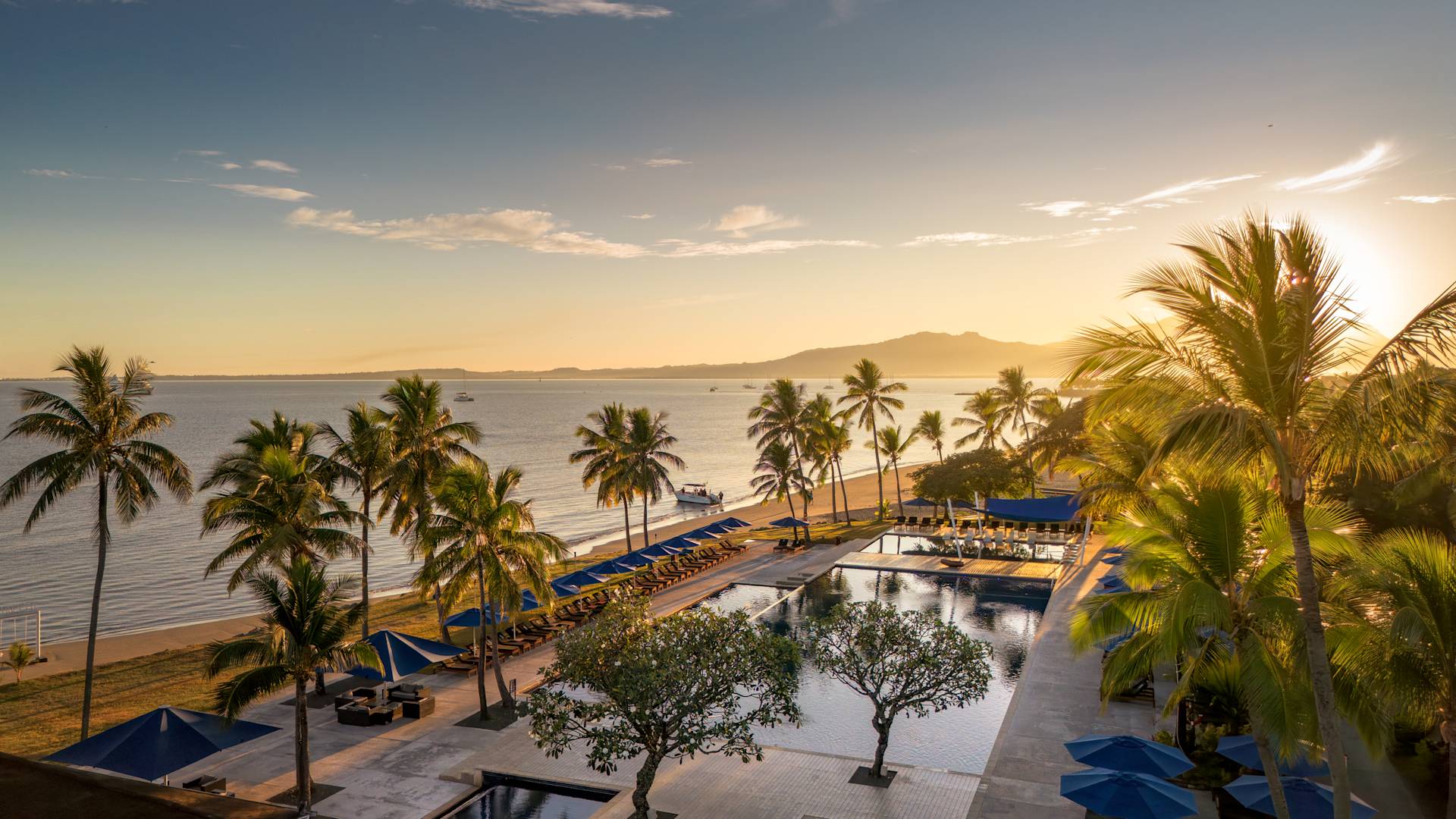
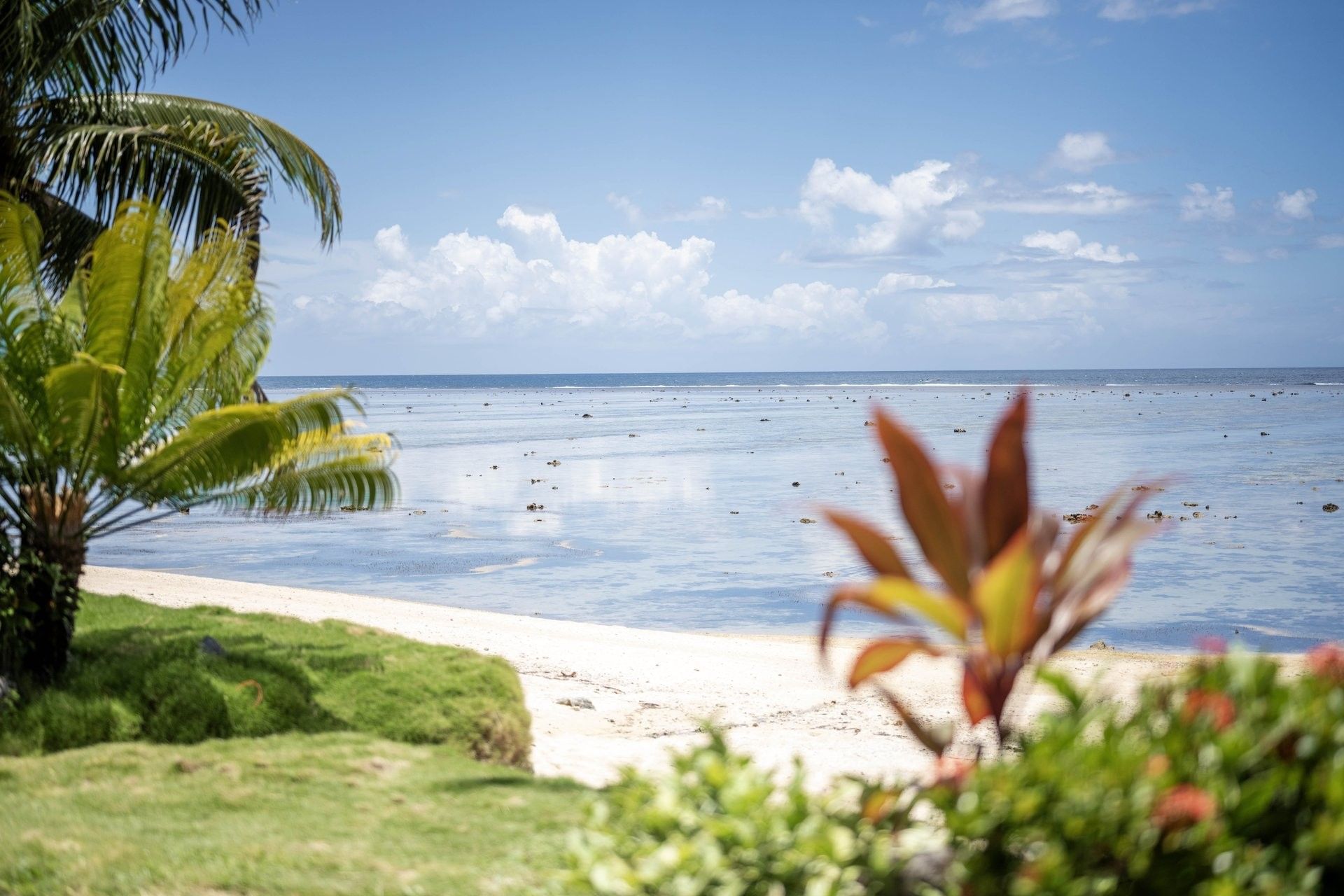
A Fiji site inspection is a four-day trip, not a day of meetings. The mainland splits into four precincts on one road, each island group costs a full day, and the things that decide your event here are rarely in the brochure: covered routes, generator coverage, committed bandwidth, kitchen plating capacity and how freight gets ashore.
This is the trip. For the forty individual checks to run inside each building, use the site inspection checklist.
How should you structure the trip?
Fiji's conference inventory sits along a single coastal road from Nadi to Suva, plus island groups reached by boat or domestic flight. Build the itinerary around that geography, not around which sales team replied first.
| Day | Precinct | What it is good for | Venue list |
|---|---|---|---|
| 1 | Nadi and ON Denarau Island | Shortest guest journey, the deepest cluster of large function space, the convention-scale room | Nadi · Denarau Island |
| 2 | ON the Coral Coast | Resort-style programmes, incentive groups, large outdoor function space | Coral Coast |
| 3 am | Pacific Harbour | Smaller high-end programmes, activity-led incentives | Pacific Harbour |
| 3 pm | Suva | Government, university, diplomatic and regional-body audiences | Suva |
| 4 | Contingency and wrap-up | Re-walking the shortlist, meeting suppliers, filling the matrix | — |
| +1 each | Mamanucas · Yasawas · Taveuni and Vanua Levu · Outer Islands | Buyouts, incentives, small board-level programmes | Mamanucas · Yasawas · Taveuni and Vanua Levu · Outer Islands |
Two scheduling rules save the trip.
Do the drives at the hours your delegates will. Nadi to Suva in a quiet mid-morning is not the same road as Nadi to Suva behind sugar trucks, and roads, traffic and realistic drive times exists because published figures flatter the route. If your programme moves 300 people, drive it in a coach, not a car.
Inspect in the season you will run the event. If that is impossible, inspect in the wet. A resort walked in February shows you which walkway is covered, where water pools, and whether the indoor alternative is a real room or a restaurant with the tables pushed back. A July visit shows you the best version of everything.
Which Fiji-specific things only show up on the ground?
Eight, and they are the reason the trip pays for itself.
1. The covered route. Fiji's conference resorts are low-rise and spread out, which means delegates walk outdoors between plenary, breakouts and catering. Walk every leg and photograph the gaps. A 40-metre uncovered stretch is irrelevant in the dry and decisive in the wet.
2. Generator coverage, not generator presence. Nearly every property has one. The question is whether it carries the event spaces, the kitchen and the AV load, or only lifts, corridors and guest rooms, and whether transfer is automatic. Get it from the engineer. See power reliability and generator backup.
3. Committed bandwidth. "High-speed wifi" is not a figure. Ask for the committed rate, whether a wired drop into the plenary is possible, and how many concurrent devices the system has actually carried. If you are streaming, ask what the last hybrid event on site ran at. See internet and bandwidth at Fiji venues and live streaming and hybrid delivery from Fiji.
4. Banquet kitchen plating capacity. The constraint nobody volunteers. A room's seated capacity says nothing about how many hot mains leave the kitchen in twenty minutes, and in Fiji the kitchen is often further from the ballroom than the floor plan suggests. Walk the route from kitchen to room and note every door, step and outdoor section. See banquet kitchen capacity.
5. The named wet-weather space, with a number. Fiji's venues are good at this when asked and vague when not. The properties that do it well write it down — the Radisson Blu ON Denarau Island, for instance, publishes a ballroom seating up to 100 and names it as the wet-weather venue for its outdoor spaces, and Warwick Fiji publishes Talanoa Hall at 400 banquet behind its outdoor settings. Ask for the equivalent at every property and the date and time the call gets made. See wet weather contingency by venue.
6. How freight comes ashore. On any island property, this is the inspection. Ask how equipment is landed, what happens at low tide, the largest item ever brought in, where it was stored, and whether there is a hardstand. Your production design is downstream of the answer. See ferries and boat transfers for groups.
7. Capacity figures, and which document they came from. Fiji venues routinely publish two different numbers for the same room in two of their own documents — a ballroom appearing as 300 banquet in the text and 400 in the capacity chart is a real example from a major Denarau property. Record the figure and the source, then get your number confirmed in writing for your set-up and your date. The Fiji venue comparison matrix is built for exactly this.
8. What you can bring in. Temporary importation of AV, staging, backdrops, samples and merchandise is a customs question, not a venue question, and it has a timeline. Raise it with your freight agent early. Guideline only — confirm current requirements with the Fiji Revenue and Customs Service before shipping. Last reviewed 11 October 2026. See bringing event equipment into Fiji.
Who do you need to meet?
Sales will meet you. Insist on four more.
- Conference services or banqueting manager — the person who will actually run your event, and the one whose answers bind.
- Chief engineer — ten minutes on rigging points, point loads, power phases and generator coverage. This conversation removes more risk than any other on the trip.
- Executive or banquet chef — ten minutes on plating capacity, dietary separation and the kitchen-to-room route.
- Your in-country suppliers — bring them into the room. Have your AV partner walk the plenary and your ground operator walk the forecourt, because their constraints become yours. In-country options include Stage Tech Fiji and SPR Audio Visual Fiji for production, Events Fiji and Rosie Holidays on the ground, and Tourist Transport Fiji, TEWAKA Fiji and Pacific Transport Limited for coaches. See AV and production in Fiji and coach charter in Fiji.
The ones nobody thinks of until load-in day
A short list, each learned the hard way.
- The loading door is fine and the corridor turn before it is not.
- The ballroom is at grade and the truck cannot reach it without crossing a guest pathway.
- The rigging points exist but nobody on site can sign off a point load without a visit from a contractor.
- The bump-in window is four hours because the room hosts a lunch that day.
- The generator covers the building but not the marquee on the lawn.
- Irrigation runs at 5am across the outdoor function space, and nobody can switch it off without the grounds manager, who is off on Sundays.
- The committed bandwidth is real and the wired drop stops 30 metres short of the stage.
- The nearest medical facility is close and the road to it is the one that floods. See healthcare and emergency services by region.
Build the trip like this
Send the forty-point checklist to every property a fortnight ahead, so the visit verifies rather than discovers. Walk each venue in delegate order, finishing in the back of house. Score identical rows the same evening. Drive the transfers at delegate hours in delegate vehicles. And leave day four free, because the property you want to see twice is never the one you expected.
Next step: narrow the precinct first with which Fiji region suits your event and Suva or Nadi, take the site inspection checklist with you, and turn the findings into the Fiji conference RFP template. Start the shortlist at Sheraton Fiji, Hilton Fiji, The Pearl Resort, Shangri-La Yanuca Island and Grand Pacific Hotel Suva. The hub is Fiji for business events, and the airport precinct is Nadi.